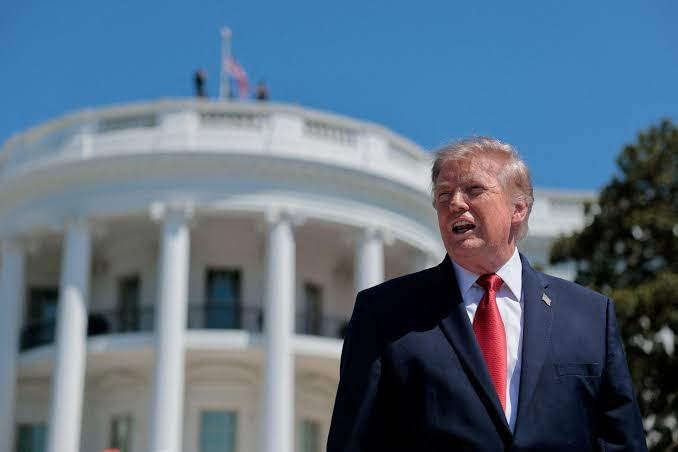
President Donald Trump announced on September 18, 2026, that CNN, MS NOW and Politico would be barred from the White House, escalating his ongoing conflict with major news organizations. Trump accused the three outlets of publishing what he described as “fake news” and suggested that additional media organizations could face similar restrictions.
The announcement quickly became a major dispute over media access, presidential authority and First Amendment protections.
Why Trump Announced the Ban
Trump announced the decision on his social-media platform, accusing CNN, MS NOW and Politico of repeatedly reporting what he characterized as false or misleading information about his administration.
Speaking to reporters afterward, Trump said the decision was based on what he described as a cumulative pattern of coverage rather than one specific report. He also suggested that other news organizations could potentially be affected.
The White House did not initially provide detailed rules explaining exactly how the restrictions would work.
Reporters Were Initially Still Inside the White House
The announcement created immediate uncertainty because journalists from the three organizations were still working at the White House on Friday afternoon.
The situation changed the following day, when reporters from CNN, MS NOW and Politico were denied access to the White House grounds.
The differing timing highlighted the uncertainty surrounding the administration’s announcement and how it would be implemented.
CNN, MS NOW and Politico Respond
CNN rejected the move and said its White House journalists have a constitutional right to report without government interference.
Politico likewise said it would continue covering the Trump administration and would defend its First Amendment rights.
MS NOW also said it intended to take steps to defend its rights and the role of independent journalism.
The organizations subsequently took the dispute to federal court.
Legal Challenge Begins
The media organizations filed a First Amendment lawsuit challenging the administration’s actions.
The case centers partly on whether the government can restrict access to White House facilities because officials object to the way particular news organizations report on the president.
The legal question is complicated because presidents have historically had considerable control over access to certain limited events and spaces, while broader restrictions on press credentials can raise constitutional and due-process issues.
Federal Judge Temporarily Blocks the Ban
The dispute moved quickly through the courts.
U.S. District Judge Timothy Kelly issued a temporary restraining order requiring the administration to restore the press credentials of CNN, MS NOW and Politico journalists. The order temporarily blocked enforcement of the ban while the broader legal dispute continues.
The judge’s order means the September announcement did not remain fully in effect while the court considers the case.
As of September 29, the three organizations were seeking a preliminary injunction that would preserve their access while the lawsuit proceeds.
Press Organizations Raise First Amendment Concerns
Press-freedom organizations have also become involved in the dispute.
The American Civil Liberties Union filed a brief supporting CNN, MS NOW and Politico. The organization argued that restricting media access because of unfavorable coverage raises First Amendment concerns.
Other press-freedom groups have similarly argued that government officials should not use access to government facilities as a response to criticism.
The administration, meanwhile, has argued that access to the White House is a privilege rather than an unrestricted constitutional right.
Other Media Organizations Become Involved
The dispute also affected other television networks that participate in the White House press pool.
CNN, ABC, CBS, Fox and NBC had suspended their pool coverage in response to the administration’s restrictions. After the court temporarily restored access, the networks began resuming pool coverage, although CNN’s access remained subject to uncertainty.
The situation has therefore affected not only the three organizations directly targeted but also the broader system through which television networks share White House coverage.
Previous Trump Conflicts With the Press
The September 2026 dispute is part of a longer history of conflict between Trump and major news organizations.
During his first administration, Trump officials attempted to restrict the White House press access of individual journalists, including CNN correspondent Jim Acosta. Courts intervened in that dispute.
In 2025, Trump’s administration also restricted access for the Associated Press after the news organization continued using the term “Gulf of Mexico” rather than the administration’s preferred “Gulf of America.” The AP challenged that decision in court.
The latest dispute has therefore become another test of the relationship between the presidency and the press.
Why the Case Matters
The legal case could have implications beyond CNN, MS NOW and Politico.
If courts allow broad restrictions on White House access based on editorial coverage, future administrations could potentially use similar policies against other news organizations.
On the other hand, the administration argues that it should have authority to determine which journalists receive access to particular government facilities and events.
The courts will ultimately determine how those competing interests apply under the Constitution and existing legal precedents.
What Happens Next?
The immediate focus is on the federal court proceedings.
The three media organizations are seeking continued protection from the administration’s restrictions while their lawsuit moves forward. The administration is defending its authority to control access and has disputed the characterization that the policy improperly targets viewpoints.
The case could continue through additional hearings and potentially higher courts.
Key issues to watch include:
- Whether the White House can permanently revoke the organizations’ press credentials
- How the First Amendment applies to White House press access
- Whether access rules can be based on editorial coverage
- Whether other news organizations face similar restrictions
- How the courts define presidential authority over press access
Conclusion
President Trump’s September 18 announcement targeting CNN, MS NOW and Politico has developed into a broader legal dispute over White House press access and constitutional protections.
Trump said the outlets were being banned because of what he considered inaccurate reporting, while the organizations argue that the government cannot restrict their access because officials dislike their coverage.
A federal judge has temporarily blocked enforcement of the ban, and the three organizations are seeking longer-term protection as their lawsuit continues.
The case is being closely watched because its outcome could help define the rules governing the relationship between the White House and the news media.