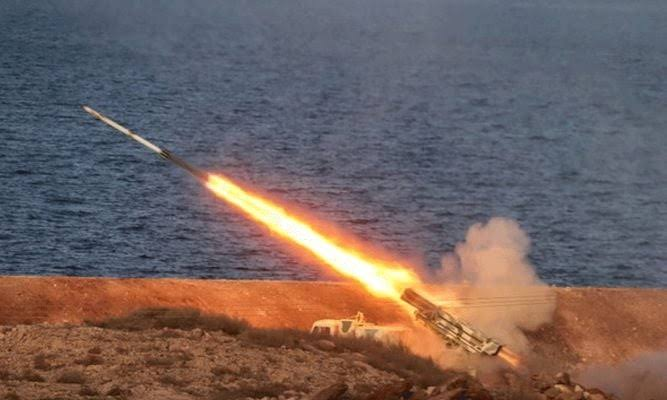
Saudi Arabia intercepted six ballistic missiles launched by Yemen’s Houthi movement on September 24, 2026, as the regional conflict intensified and concerns grew over the security of Saudi oil infrastructure and international energy supplies. Saudi-led coalition officials said the missiles were aimed toward Taif and the Yanbu area on the Red Sea.
The attacks came as the Houthis stepped up their military activity in and around Yemen, while the United States and Iran were simultaneously exploring diplomatic options to reduce their wider conflict. The combination of military escalation and uncertainty around major shipping routes has kept global energy markets highly sensitive to developments in the Middle East.
Saudi Arabia Intercepts Six Missiles
According to Saudi-led coalition officials, six ballistic missiles were intercepted before reaching their reported targets. The locations mentioned included Taif in western Saudi Arabia and Yanbu on the Red Sea coast.
The Houthis later claimed that they had attacked what they described as a sensitive target in Riyadh as well as facilities belonging to Saudi oil company Aramco in Yanbu. Reuters reported the Houthi claims but noted that the group’s account and the damage it claimed were not independently verified.
The incident added to a series of attacks involving Saudi territory and infrastructure.
Why Yanbu Matters to Global Oil Markets
Yanbu is an important Saudi energy and export hub on the Red Sea.
Any attack that threatens oil facilities, pipelines, ports or shipping infrastructure can create concerns about whether Saudi Arabia will be able to maintain normal energy exports.
Those concerns quickly affected oil markets.
On September 24, Brent crude rose 3.4% to $106.60 a barrel, while U.S. West Texas Intermediate crude increased 2.7% to $94.61. Both benchmarks had climbed around 5% at their session highs before giving back some of those gains.
The price movement demonstrated how quickly geopolitical risks can affect energy markets.
Houthi Attacks Increase Regional Pressure
The latest missile attacks are part of a wider escalation involving the Houthis and the Saudi-backed government in Yemen.
The Washington Post reported that Houthi forces had launched a major offensive along Yemen’s Red Sea coast, with fighting intensifying around strategically important territory and the Bab al-Mandab Strait.
The Bab al-Mandab is another important maritime chokepoint connecting the Red Sea with the Gulf of Aden. Any prolonged disruption there could affect shipping between Europe, Asia and the Middle East.
The renewed fighting has also created humanitarian concerns, with large numbers of people reportedly displaced inside Yemen.
Oil Markets Remain Volatile
The missile attacks initially pushed oil prices higher, but prices moved in the opposite direction the following day.
On September 25, oil prices declined as investors focused on diplomatic discussions between the United States and Iran. Reuters reported that Washington and Tehran were exploring a possible phased path toward ending the conflict, including the potential reopening of the Strait of Hormuz.
This created competing pressures in the oil market.
On one side, Houthi attacks were increasing concerns about Saudi oil infrastructure and regional shipping.
On the other, possible U.S.-Iran diplomacy raised hopes that some disruptions to global energy flows could eventually be reduced.
Saudi Arabia, Turkey and Pakistan Strengthen Cooperation
The escalation also prompted closer security coordination between Saudi Arabia, Turkey and Pakistan.
Military chiefs from the three countries met in Riyadh on September 25 to discuss stronger defense cooperation, intelligence sharing and military coordination. The meeting followed the signing of a joint defense agreement under which an attack on one signatory is treated as an attack on all.
The discussions came as Saudi Arabia faced increased Houthi missile and drone attacks.
The developments show that the conflict is becoming a broader regional security concern rather than remaining limited to Yemen.
Additional Houthi Attacks Reported
The missile attacks continued after the September 24 incidents.
On September 26, the Saudi-led coalition said it intercepted two ballistic missiles and two drones launched toward Saudi Arabia.
The continuing attacks have increased concerns about the potential for repeated disruptions to Saudi infrastructure and regional shipping.
Impact on Global Energy Supplies
Saudi Arabia is one of the world’s largest oil producers, so threats to its infrastructure can have international consequences.
Potential disruptions could affect:
- Crude oil prices
- Fuel costs
- Shipping insurance
- Oil tanker routes
- Refinery operations
- Global inflation
- Energy security
- International supply chains
The importance of these risks is amplified by simultaneous disruption around the Strait of Hormuz. Reuters reported that approximately 33.7 million barrels per week were moving through the Strait during this period, making the waterway a critical part of the global energy system.
Diplomacy Complicates the Picture
The missile attacks occurred at the same time as diplomatic efforts involving the United States and Iran.
U.S. and Iranian negotiators were exploring a possible phased agreement involving the reopening of the Strait of Hormuz and changes to Washington’s economic restrictions on Iran.
This means the regional situation has two competing developments: military escalation involving the Houthis and diplomatic efforts involving Washington and Tehran.
The outcome of those diplomatic discussions could influence energy markets and the wider security situation.
What Happens Next?
Several issues will determine whether energy markets remain under pressure:
- Whether Houthi attacks on Saudi Arabia continue
- Whether Saudi oil infrastructure suffers significant damage
- Whether shipping through the Red Sea remains reliable
- Whether the U.S. and Iran reach a ceasefire arrangement
- Whether the Strait of Hormuz can remain open
- Whether regional governments expand military cooperation
Any major disruption to Saudi production or international shipping could have wider economic consequences.
Conclusion
Saudi Arabia’s interception of six Houthi ballistic missiles on September 24, 2026, marked another escalation in the growing regional conflict. The missiles were reportedly aimed toward areas including Taif and Yanbu, while the Houthis separately claimed attacks on targets in Riyadh and at Saudi Aramco facilities.
The attacks immediately affected oil markets, with Brent crude rising more than 3% on September 24 as traders assessed the potential threat to regional energy supplies.
However, oil prices subsequently fell as diplomatic discussions between the United States and Iran raised the possibility of a path toward de-escalation and reopening the Strait of Hormuz.
The situation remains closely connected to the security of Saudi oil infrastructure, the Red Sea shipping corridor and the wider Middle East conflict.