Qatar intensified its diplomatic efforts between the United States and Iran on September 29, 2026, working to bridge differences between the two sides and find a possible path toward ending the conflict. Qatari officials said Doha was exchanging messages with Washington and Tehran and trying to establish common ground for an agreement.
The diplomatic push came after Iran presented a seven-day proposal involving a possible ceasefire, the reopening of the Strait of Hormuz and the resumption of broader negotiations. However, significant disagreements remained, and U.S. President Donald Trump publicly rejected reports that Washington had offered Iran sanctions relief in exchange for nuclear concessions.
Qatar Takes on a Key Mediation Role
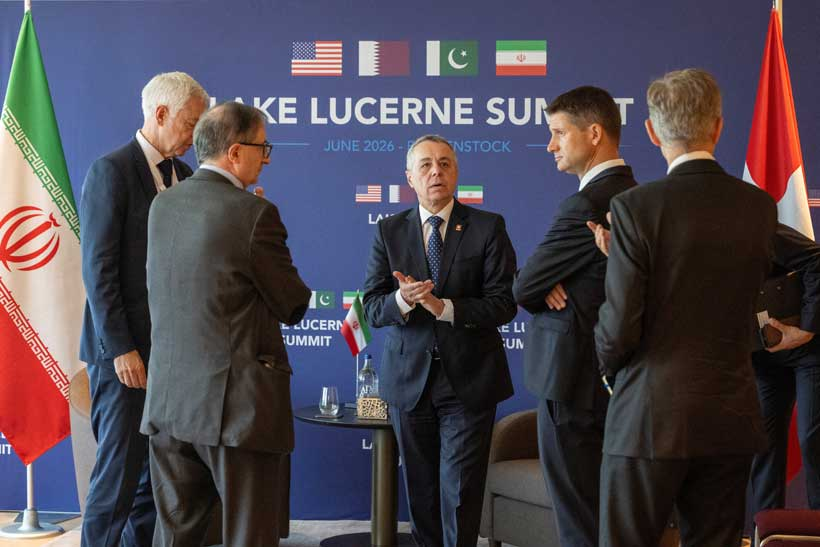
Qatar has become an important intermediary between Washington and Tehran. Qatari Foreign Ministry spokesperson Majed al-Ansari said the country was continuing to exchange messages with both sides and working to bridge their positions.
The latest diplomatic activity included meetings and exchanges in New York during the United Nations General Assembly, followed by further contacts involving Qatari mediators.
Qatar previously played a supporting role in a June memorandum of understanding that helped produce a temporary ceasefire, giving Doha experience in facilitating communication between the two governments.
Iran Sends New Proposals Through Qatar
Iranian Foreign Minister Abbas Araghchi said on September 29 that Iranian officials had discussed new ideas with Qatari mediators.
According to Reuters, Araghchi said the Qatari side would present those ideas to Washington and that Iran was waiting for an official U.S. response through the mediators.
Iran’s proposal includes conditions connected to the reopening of the Strait of Hormuz, a crucial waterway for global energy shipments.
The proposal reportedly calls for:
- Ending hostilities involving Iran and Lebanon
- Lifting the U.S. blockade of Iranian ports
- Ending sanctions affecting Iranian oil exports
- Unfreezing Iranian assets
- Reopening the Strait of Hormuz
- Restarting negotiations over Iran’s nuclear program
The sequencing of these steps has become one of the major issues in the negotiations.
Strait of Hormuz Remains Central
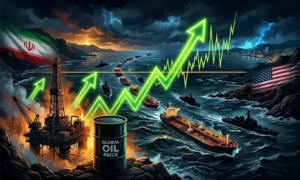
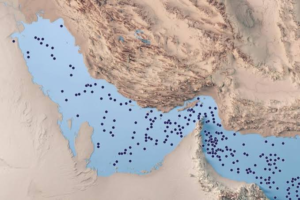
The Strait of Hormuz is at the center of the diplomatic effort because restrictions on maritime traffic have affected international energy markets.
Iran has linked the restoration of normal passage through the waterway to conditions involving the U.S. blockade and sanctions. Washington, meanwhile, has continued to focus on security concerns and Iran’s nuclear program.
Qatar said its mediation efforts are aimed partly at creating conditions that would allow freedom of navigation through the Strait of Hormuz.
Any agreement that restores normal shipping could have wider consequences for oil prices, tanker traffic and global supply chains.
Trump Rejects Reports of Sanctions Offer
While Qatar was pushing diplomacy, Trump disputed reports about the terms of a possible agreement.
Trump said he had not offered Iran sanctions relief or the release of frozen Iranian funds in exchange for nuclear concessions. Reuters reported that Trump rejected those reports publicly while maintaining that Iran must not obtain a nuclear weapon.
This creates an important gap between the positions publicly described by the two sides.
Iran is seeking conditions that would ease economic and maritime pressure, while Washington continues to emphasize its security demands.
Negotiations Remain Difficult
Despite the renewed diplomatic activity, no final agreement had been reached by September 29.
Qatar’s foreign ministry acknowledged that obstacles remained and said the purpose of mediation was to overcome those difficulties and narrow the gap between the parties.
The two sides also disagree over the order in which measures should be implemented.
Reuters reported on September 30 that U.S. feedback on Iran’s seven-day trust-building plan had been delivered through Qatari mediators, with sequencing of the proposed steps identified as the main sticking point.
Regional Security Adds Pressure
The negotiations are taking place against a wider regional conflict.
Qatar itself has been affected by the conflict, and its officials have called for regional infrastructure, energy facilities and commercial vessels to be protected from attacks. Doha has also advocated a broader security framework based on coexistence, non-aggression and respect for sovereignty.
The continued conflict has also affected neighboring Gulf countries and international shipping routes.
What Happens Next?
The next stage of the diplomatic process depends on whether Washington and Tehran can agree on the sequence of confidence-building measures.
Key questions include:
- Will the Strait of Hormuz reopen?
- Will the United States modify its blockade?
- Will sanctions on Iranian oil be eased?
- Will Iranian assets be unfrozen?
- Can the two sides resume nuclear negotiations?
- Can Qatar and other mediators narrow the remaining differences?
- Can a broader ceasefire be established?
The answers will determine whether the current diplomatic effort develops into a wider agreement.
Conclusion
Qatar’s renewed mediation effort on September 29, 2026, has created another channel for indirect negotiations between the United States and Iran. Doha says it is exchanging messages with both sides and attempting to establish common ground for a peaceful settlement.
Iran has presented proposals centered on ending hostilities, easing economic restrictions and reopening the Strait of Hormuz, while Washington continues to press its own security and nuclear demands.
For now, the negotiations remain unresolved. Qatar’s role is focused on narrowing the differences, while the biggest challenges involve sanctions, the Strait of Hormuz, Iran’s nuclear program and the sequencing of any agreement.
If the mediators succeed, the resulting agreement could have significant consequences for regional security and global energy markets.