
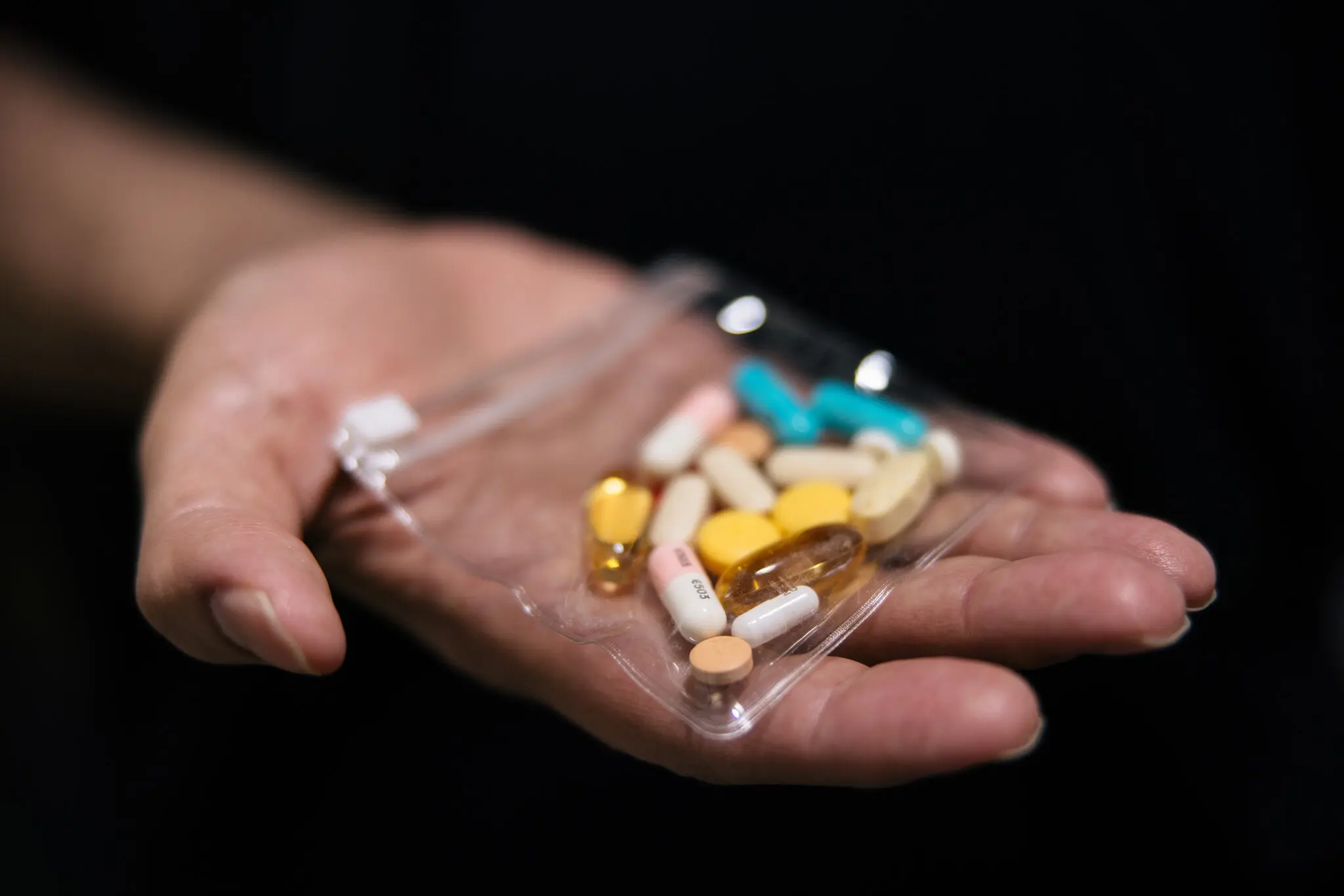
Social media platforms—especially Facebook—have become a major source of health information, but not all of it is reliable. A growing number of posts promoting supplements are influencing how people think about wellness, often without strong scientific backing.
Many of these posts feature bold claims: better immunity, improved brain function, weight loss, or anti-aging benefits. They often appear in the form of personal stories, influencer recommendations, or sponsored ads. Because they feel relatable and convincing, users are more likely to trust and share them.
However, health experts warn that much of this content is misleading. Supplements are not required to go through the same strict testing as medicines, meaning their benefits are often overstated or not fully proven. In some cases, products promoted online may have little scientific evidence behind them.
Another concern is how Facebook’s algorithm works. It tends to show users more of what they already engage with. So if someone interacts with supplement-related content, they may start seeing more of it—creating a cycle where questionable health claims feel increasingly credible.
Doctors and researchers emphasize that while some supplements can be helpful in specific cases (like nutrient deficiencies), many are unnecessary for healthy individuals. Experts also caution that “natural” does not always mean safe, as some supplements can cause side effects or interact with medications.
The bigger issue is trust. As social media becomes a primary source of health advice, it’s becoming harder for people to distinguish between evidence-based information and marketing. This makes it more important than ever to rely on qualified medical guidance rather than viral posts.
In the end, the rise of supplement content on platforms like Facebook highlights a modern challenge: navigating health information in a digital world where popularity doesn’t always equal accuracy.