In today’s political climate, discussions around assassination—whether serious or rhetorical—are becoming more visible, raising concerns about the health of democracy. What was once unthinkable is now part of public discourse, reflecting a deeper shift in how political conflict is expressed.
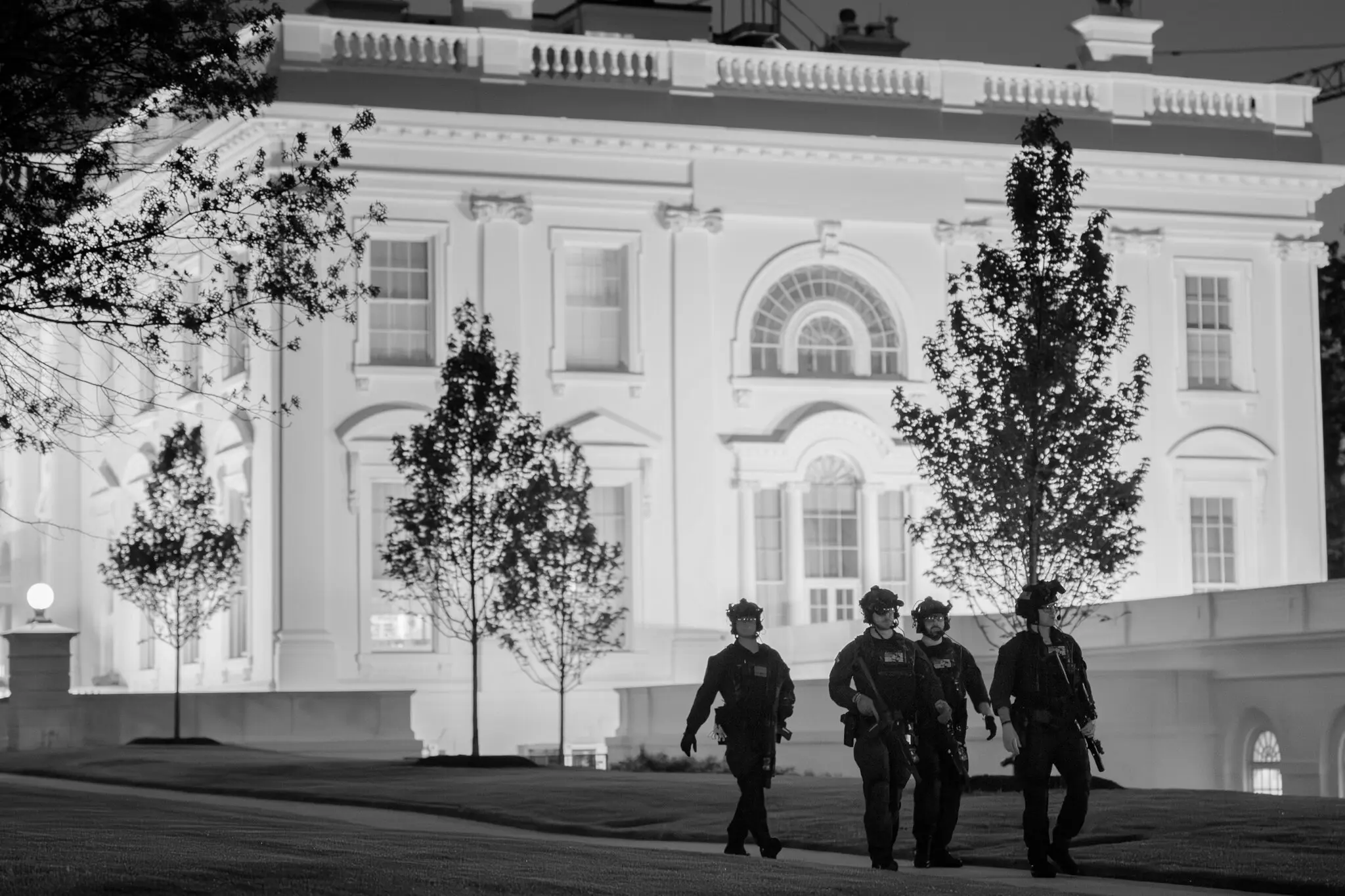
Recent events, including an attempted attack at the White House Correspondents’ Dinner, have intensified these concerns. The suspect in that case was charged with attempted assassination, highlighting how real the threat of political violence has become.
But beyond the physical danger, the broader issue lies in how society talks about political opponents. Language that once stayed at the margins—suggesting harm or elimination of leaders—is now more common in online spaces, media discussions, and even casual conversations. This shift blurs the line between extreme rhetoric and real-world action.
Experts warn that normalization is the real danger. When violent ideas are repeated often enough, they can begin to feel less shocking—and, in some cases, more acceptable. This creates an environment where individuals may feel justified in taking drastic actions.
Recent commentary and reactions to political violence show how divided public opinion has become. Instead of unified condemnation, incidents are often followed by blame, conspiracy theories, or partisan arguments.
This fragmentation weakens a core principle of democracy: the peaceful resolution of disagreements. Elections, debate, and law are meant to replace violence—not coexist with it. When that boundary starts to erode, the system itself is put at risk.
Another concern is desensitization. With repeated exposure to violent incidents and extreme language, people may begin to react with less urgency or concern. Analysts note that political violence in the U.S. is increasingly seen as part of a troubling pattern rather than a rare shock.
History shows that assassination and political violence have long-lasting consequences—not just for individuals, but for institutions and public trust. Each incident deepens division, fuels fear, and makes constructive dialogue more difficult.
At the same time, responsibility does not lie with one group alone. Political leaders, media platforms, and the public all play a role in shaping the tone of discourse. Reducing hostility and rejecting violent language are essential steps toward maintaining stability.
Ultimately, the issue is not just about isolated threats—it is about the direction of political culture. If violent rhetoric continues to grow, it risks becoming embedded in the system itself.
The message is clear: democracy depends on disagreement, but it cannot survive if that disagreement turns into acceptance of violence.