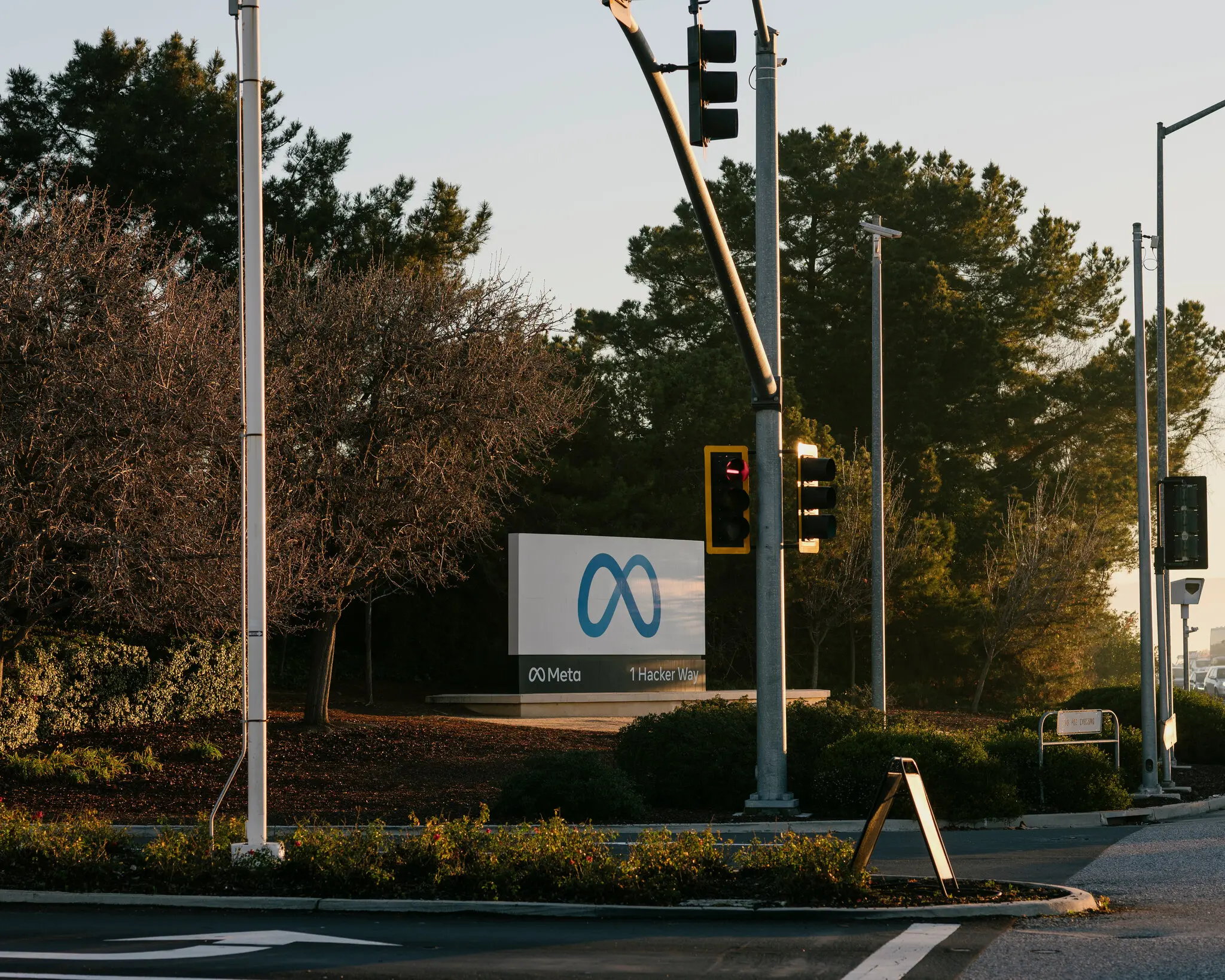
Meta Platforms has begun one of its largest workforce restructurings in recent years, eliminating roughly 8,000 jobs as part of a major strategic shift toward artificial intelligence. The layoffs represent about 10% of the company’s global workforce and come as CEO Mark Zuckerberg accelerates investment in AI infrastructure, automation systems, and machine-learning-driven products.
At the same time, Meta is reassigning thousands of employees into AI-focused teams, signaling a deep structural transformation of how the company operates.
AI Becomes the Core of Meta’s Strategy
Meta’s restructuring reflects a long-term pivot toward becoming an AI-first company.
The company is:
- Cutting around 8,000 jobs globally
- Canceling approximately 6,000 unfilled positions
- Reassigning about 7,000 employees into AI-related roles
- Reducing layers of middle management
Executives say the goal is to build “AI-native” systems that can eventually automate parts of engineering, moderation, advertising optimization, and product development.
Layoffs Signal a Shift in Tech Employment
The move is part of a broader wave of layoffs across Silicon Valley in 2026, but unlike earlier downturns, this cycle is being driven directly by AI adoption.
Companies are increasingly:
- Replacing repetitive tasks with AI tools
- Reducing management layers
- Expanding automation infrastructure
- Prioritizing AI engineering talent over traditional roles
Analysts describe this as a structural reset in tech employment rather than a temporary slowdown.
Inside Meta’s Workforce Restructuring
Employees impacted by the layoffs are being notified in waves across different regions.
The restructuring includes:
- Flattening organizational hierarchy
- Converting managerial positions into technical roles
- Centralizing AI product development
- Expanding internal AI training systems
Worker reactions have been mixed, with concerns over job stability and the pace of change, while some acknowledge the company’s need to adapt.
Rise of AI Agents Inside Meta
A key part of Meta’s strategy involves deploying AI agents across internal operations.
These systems are designed to:
- Generate and debug code
- Assist in content moderation
- Improve ad targeting efficiency
- Automate testing and workflows
- Support decision-making processes
Meta leadership believes these tools will significantly reduce the need for large operational teams over time.
Employee Concerns Grow
The restructuring has created uncertainty across Meta’s workforce.
Reported concerns include:
- Rapid job displacement
- Transition into unfamiliar AI-focused roles
- Increased workplace monitoring
- Declining morale across teams
Some employees question whether AI is being used purely for innovation or also as justification for long-term workforce reduction.
Broader Silicon Valley Trend
Meta is not alone in this shift. Across Big Tech, companies are:
- Cutting non-core roles
- Investing heavily in AI infrastructure
- Redesigning workflows around automation
- Hiring selectively for AI and machine learning
This signals a long-term transformation of the tech industry’s employment model.
What This Means for the Future of Work
Meta’s layoffs highlight a turning point in the global labor market.
Key questions now emerging include:
- How many jobs will AI replace permanently?
- Which roles will remain human-led?
- How quickly can workers retrain for AI-driven jobs?
- Will productivity gains offset job losses?
Economists warn that the transition could reshape not just tech employment, but broader labor markets worldwide.
Conclusion
Meta’s decision to cut thousands of jobs while doubling down on AI marks a defining moment in Big Tech’s evolution. The company is shifting from a traditional social media giant into an AI-driven systems company.
For workers, the message is clear: the future of tech is smaller, faster, and increasingly automated.