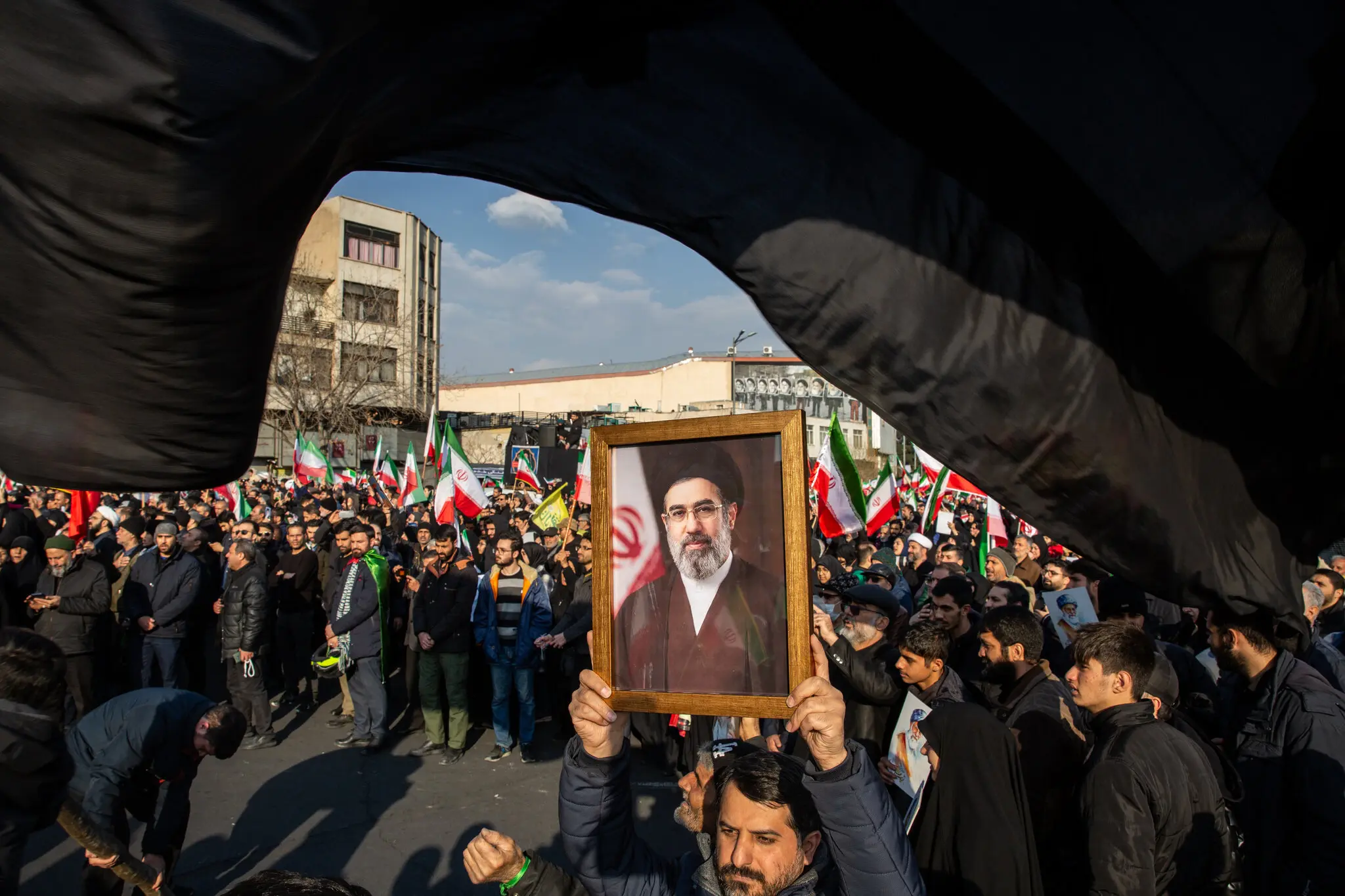
The killing of Ayatollah Ali Khamenei ushered in a new form of collective leadership in the country, with more power for the Revolutionary Guards.
Introduction: A Turning Point in Iran’s Political Landscape
The death of Ali Khamenei has marked one of the most significant turning points in modern Iranian history. For decades, Iran operated under a centralized system where ultimate authority rested in the hands of a single supreme leader. However, the rise of Mojtaba Khamenei has not restored that same model of leadership. Instead, Iran is entering a new era defined by collective decision-making, with military commanders playing a dominant role in shaping the country’s direction.
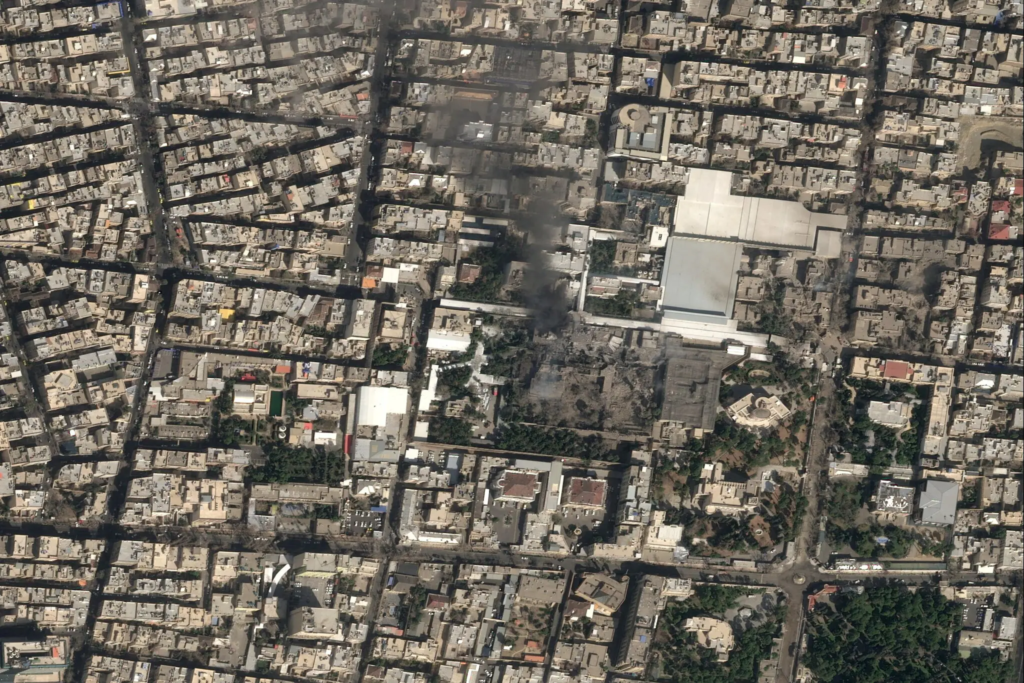
The Shift from Absolute Rule to Collective Leadership
Under Ali Khamenei, Iran’s political and military strategies were tightly controlled by one figure. Decisions regarding war, diplomacy, and internal governance flowed from a centralized authority. Today, that structure has evolved into a more distributed system.
Mojtaba Khamenei, now the supreme leader, operates more like a coordinator than an absolute ruler. His leadership style resembles that of a board director, relying heavily on a network of senior military figures. This transformation reflects both necessity and circumstance, as ongoing conflicts and internal instability have made centralized leadership more difficult to maintain.
The Rising Power of the Revolutionary Guards
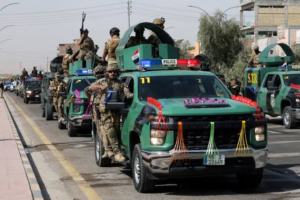
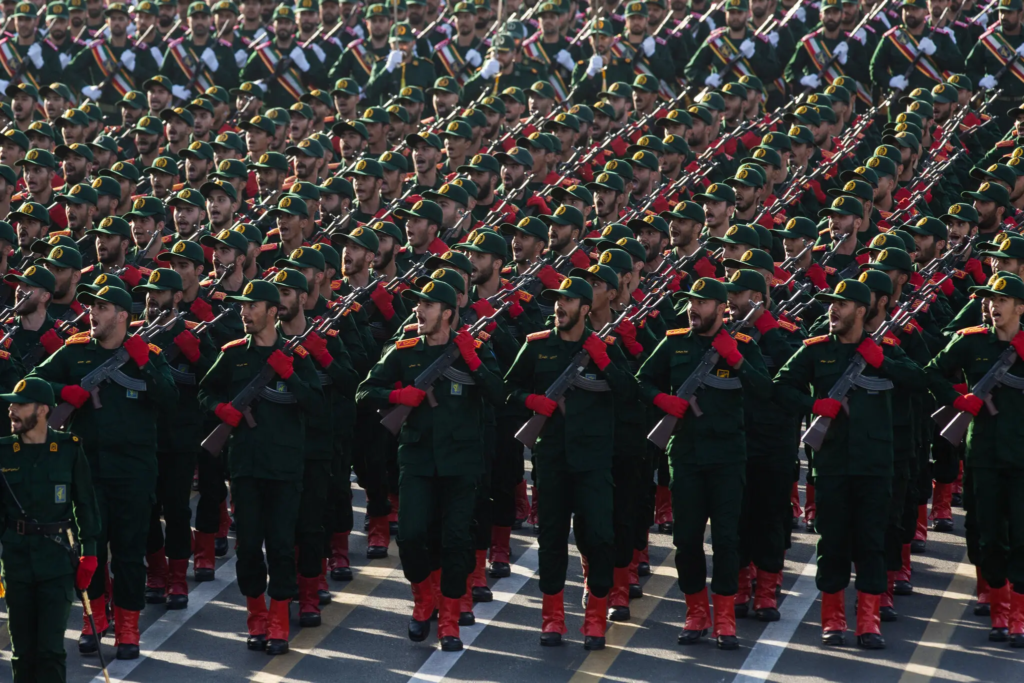
At the heart of this transformation is the growing influence of the Islamic Revolutionary Guard Corps. Originally established to protect the ideals of the 1979 revolution, the Guards have steadily expanded their reach into politics, intelligence, and the economy.
Today, they are no longer just defenders of the system—they are its primary decision-makers. Senior commanders such as Ahmad Vahidi, Mohammad Bagher Zolghadr, and Yahya Rahim Safavi are deeply involved in shaping national strategy. From military operations to diplomatic negotiations, their influence is both direct and decisive.
Mojtaba Khamenei’s Role: Leader in Name, Dependent in Practice
Despite holding the title of supreme leader, Mojtaba Khamenei’s authority appears limited compared to his father’s. Several factors contribute to this dynamic. Unlike Ali Khamenei, Mojtaba lacks the same level of religious authority and political legitimacy. Additionally, his close personal ties to military figures have naturally strengthened their position within the leadership structure.
Rather than acting independently, he often endorses decisions already shaped by military leadership. This has created a system where formal authority exists, but practical power lies elsewhere.
War, Security, and Strategic Control
Iran’s current geopolitical situation has further accelerated the rise of military leadership. Ongoing tensions with global powers have placed national security at the forefront of decision-making. In this environment, military commanders are seen as best equipped to respond quickly and effectively.
Key strategic moves—such as military operations, regional influence, and negotiation tactics—are now largely controlled by the Guards. Even diplomatic efforts, traditionally handled by civilian officials, have seen increasing military involvement.
Internal Divisions and Political Tensions
Although the generals hold significant influence, Iran’s political system remains complex and multifaceted. Civilian leaders like Masoud Pezeshkian and Abbas Araghchi continue to play roles in governance, particularly in economic and domestic matters.
However, disagreements between civilian officials and military leaders have become more visible. Issues such as economic recovery, international negotiations, and military strategy often highlight these divisions. In most cases, the military perspective prevails, reinforcing the current balance of power.
The Decline of Clerical Dominance
One of the most notable outcomes of this shift is the declining influence of Iran’s clerical establishment. Historically, religious authority formed the backbone of the country’s political system. Today, that influence is gradually being overshadowed by military power.
While clerics still hold formal positions, their role in shaping critical decisions has diminished. This marks a significant departure from the ideological foundations of the Islamic Republic.
What This Means for Iran’s Future
Iran’s transition to a collective leadership model raises important questions about its future. On one hand, shared decision-making could provide stability during times of crisis. On the other, the dominance of military figures may lead to more rigid and security-focused policies.
Internationally, this shift could affect how Iran engages with other nations. Negotiations may become more strategic and less flexible, reflecting the priorities of military leadership rather than diplomatic compromise.
Conclusion: A Nation Redefined by Power Dynamics
Iran is no longer governed by a single dominant figure but by a network of influential leaders, with military commanders at the center. The emergence of this structure represents a fundamental transformation in how power is exercised within the country.
As Mojtaba Khamenei navigates his role as supreme leader, the balance between symbolic authority and real power will continue to define Iran’s political trajectory. In this new era, the generals are not just supporting the system—they are running it.