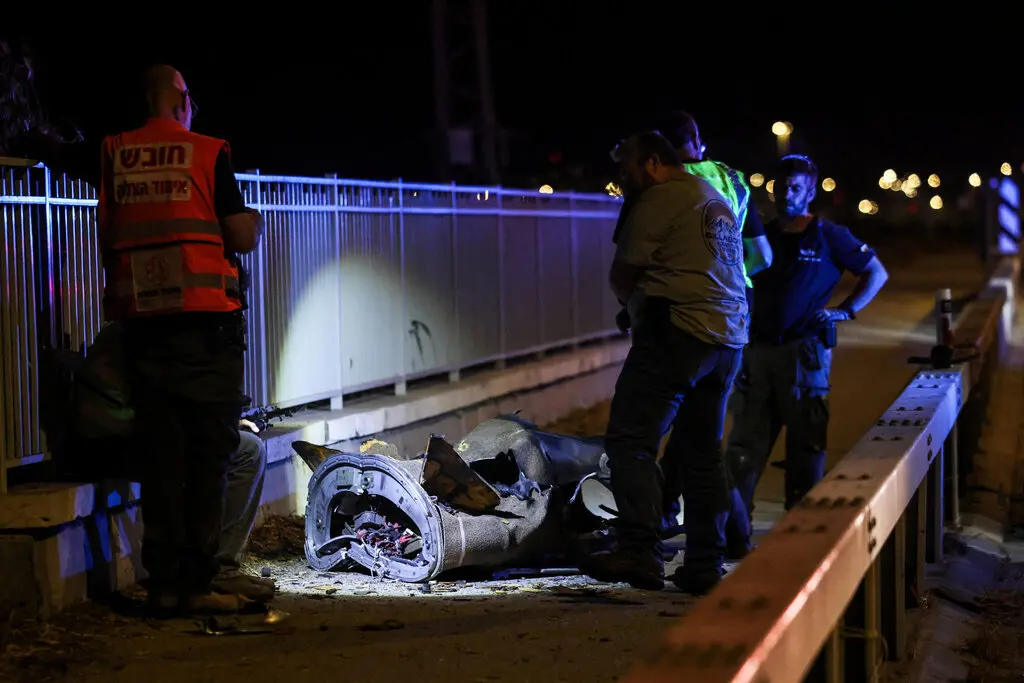
Israel and Iran’s ongoing confrontation showed signs of tactical shifts on June 8, 2026, as both sides claimed limited battlefield gains while continuing to exchange strikes across multiple fronts, including Lebanon and other parts of the region.
Although neither side has achieved a decisive breakthrough, the conflict is increasingly being defined by cycles of retaliation, temporary pauses, and rapid re-escalation — with diplomatic efforts struggling to contain the widening violence.
Israel Expands Strikes Across Iran and Regional Targets
Israeli forces have continued operations against Iranian military and strategic infrastructure, targeting sites linked to missile production, air defence systems, and energy-related facilities.
Recent developments suggest Israel is pursuing a strategy focused on:
- Degrading Iran’s missile production capacity
- Disrupting command-and-control infrastructure
- Targeting supply chains linked to regional proxy forces
- Maintaining pressure across multiple operational fronts
While Israeli officials describe these operations as successful in limiting Iranian capabilities, the long-term strategic impact remains contested as Iran continues to respond with missile launches and proxy activity.
Iran Responds With Missile Attacks and Proxy Pressure
Iran has responded to Israeli strikes with a combination of direct missile attacks and coordinated pressure through allied groups in the region, particularly Hezbollah in Lebanon.
Key patterns in Iran’s response include:
- Missile barrages targeting Israeli territory
- Retaliatory strikes on Israeli-linked infrastructure
- Increased coordination with Hezbollah operations in Lebanon
- Signalling continued capacity despite Israeli strikes
Although many Iranian missiles have been intercepted, the repeated exchanges demonstrate that Iran retains operational reach across multiple theatres.
Lebanon Emerges as the Most Volatile Front
Lebanon remains the most active secondary battlefield in the conflict, largely due to Hezbollah’s involvement.
Recent escalation includes:
- Israeli airstrikes on Hezbollah infrastructure
- Rocket and drone fire from southern Lebanon into Israel
- Civilian displacement and infrastructure damage
- Continued risk of spillover into full-scale war in Lebanon
The Lebanese front is increasingly seen as both a strategic pressure point and a potential trigger for broader regional escalation.
Temporary Pauses Fail to Hold
Despite intermittent signals of de-escalation, including diplomatic pressure from Washington, ceasefire arrangements remain fragile.
Key reasons for instability include:
- Continued proxy attacks by Iran-aligned groups
- Israeli insistence on freedom to strike Hezbollah targets
- Iran’s conditional approach to restraint
- Lack of a unified enforcement mechanism
As a result, pauses in fighting tend to last hours or days rather than developing into sustained ceasefires.
U.S. Diplomatic Pressure and Strategic Uncertainty
The United States continues to play a central diplomatic role, attempting to restrain escalation while maintaining pressure on Iran through sanctions and security coordination with Israel.
However, U.S. influence appears limited by:
- Diverging operational priorities between Israel and Washington
- Iran’s mistrust of negotiation frameworks
- Rapidly changing battlefield conditions
- Regional actors operating independently of central agreements
This has created a fragmented diplomatic environment where military actions often outpace negotiations.
Broader Regional and Economic Risks
The ongoing conflict continues to carry wider implications beyond the immediate battlefield, including:
- Increased volatility in global oil markets
- Heightened risk around key shipping routes
- Growing instability in Lebanon and the Gulf
- Rising pressure on global diplomatic institutions
Even without full-scale war declarations, the cumulative effect of repeated strikes is contributing to sustained regional instability.
Conclusion
The June 8 developments reflect a conflict that is evolving into a prolonged regional confrontation rather than a short-term escalation. While Israel and Iran both claim limited gains, neither side has achieved strategic dominance, and the cycle of retaliation continues to define the conflict.
With Lebanon increasingly central to the fighting and diplomatic efforts struggling to keep pace, the region remains on a precarious path where temporary pauses offer only brief relief before renewed escalation.