Tensions across the Middle East surged again on June 8, 2026, as Israel, Iran, Hezbollah, and the United States navigated a rapidly shifting conflict marked by renewed strikes, fragile ceasefire signals, and escalating political pressure between President Donald Trump and Israeli Prime Minister Benjamin Netanyahu.
The latest developments highlight a volatile triangle of diplomacy and military action, where attempts to pause the fighting are repeatedly undercut by new rounds of attacks across Iran, Lebanon, and northern Israel.
Israel and Iran Trade Fire Despite Ceasefire Efforts
The most recent escalation began after renewed Israeli strikes on Iranian-linked targets, which were followed by Iranian missile responses toward Israel.
Although both sides have intermittently signalled willingness to pause hostilities, the pattern remains unstable:
- Israeli air operations targeted infrastructure in Iran
- Iran responded with missile attacks toward Israeli military sites
- Air defence systems intercepted most incoming strikes
- Civilian alerts and disruptions were reported in northern Israel
Despite calls from Washington for restraint, neither side has fully adhered to a sustained ceasefire framework.
Trump Pushes for De-Escalation but Faces Resistance
President Donald Trump has repeatedly called for both Israel and Iran to “stop shooting” and return to negotiations, positioning himself as a central broker in efforts to contain the conflict.
However, his influence appears increasingly limited:
- Trump urged Israel not to retaliate after Iranian missile launches
- Israeli forces proceeded with further strikes in response to regional attacks
- Iran accused the United States of indirect support for Israeli operations
- U.S. diplomacy continues alongside ongoing military tensions
The situation underscores growing friction between Washington’s diplomatic messaging and Israel’s operational decisions on the ground.
Netanyahu Balances War Strategy and Political Pressure
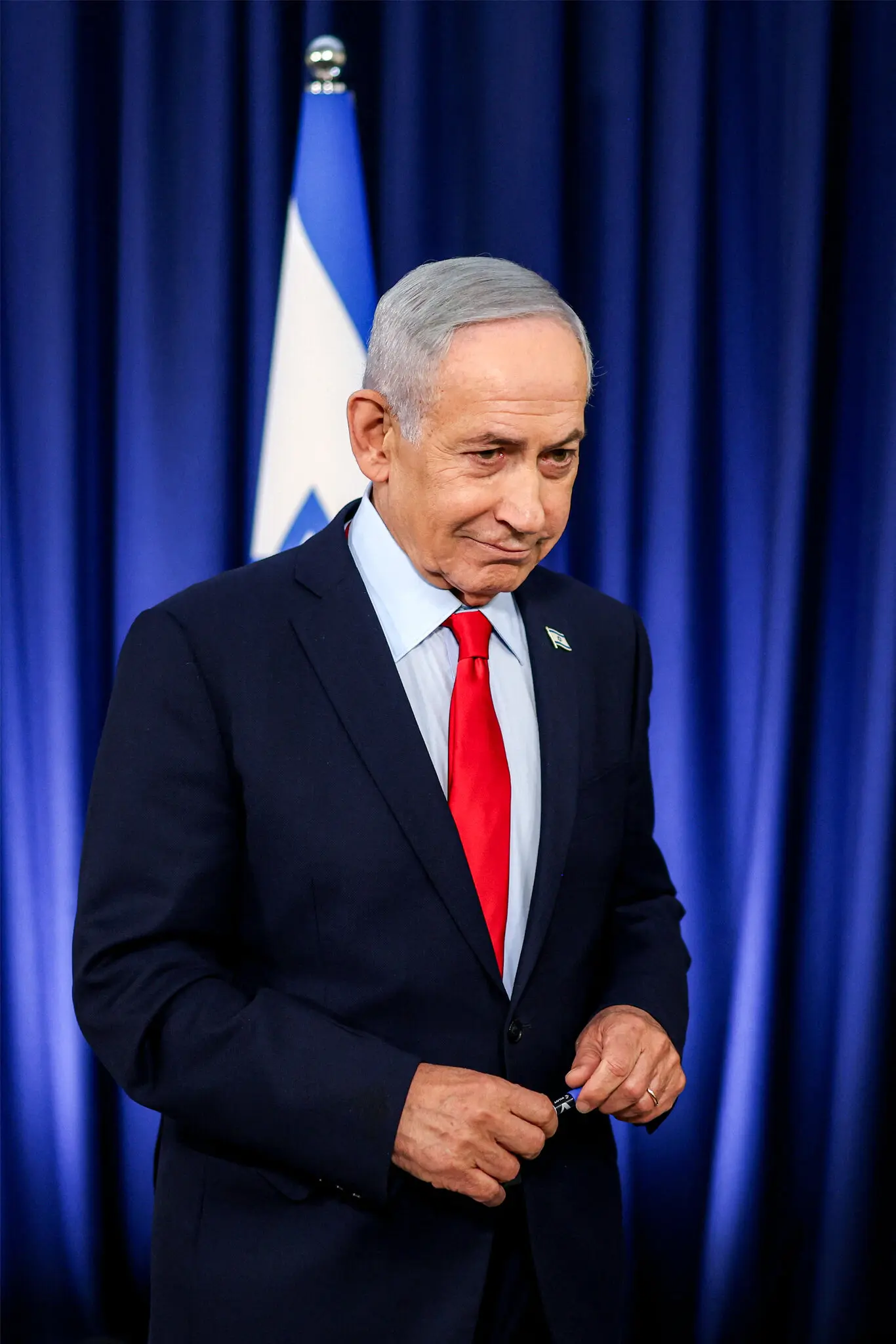
Israeli Prime Minister Benjamin Netanyahu is facing mounting domestic and strategic pressure as the conflict expands across multiple fronts, particularly Lebanon.
Reports indicate Israel is prioritising:
- Continued strikes against Hezbollah positions in Lebanon
- Maintaining deterrence against Iranian-backed groups
- Responding quickly to missile attacks from Iranian-aligned forces
At the same time, Netanyahu’s government is navigating tensions with Washington over timing and scope of military operations, particularly as U.S.-led negotiations attempt to stabilise the region.
Lebanon Emerges as a Critical Second Front
Lebanon remains a central battlefield in the broader Iran-Israel confrontation, largely due to Hezbollah’s involvement.
Recent activity includes:
- Israeli strikes on Hezbollah-linked infrastructure in southern Lebanon
- Rocket and drone exchanges across the Israel-Lebanon border
- Civilian displacement and infrastructure damage in border regions
- Continued risk of escalation into wider regional war
Efforts to separate Lebanon from the Iran-Israel negotiations have so far failed, as the conflict continues to spill across borders.
Fragile Ceasefire Attempts Quickly Collapse
Although brief pauses in fighting have been reported, they have not held for long.
Key issues undermining ceasefire stability include:
- Disagreement over Lebanon’s role in broader negotiations
- Continued proxy attacks by Iran-aligned groups
- Israeli insistence on freedom to strike Hezbollah
- Iranian demands linking multiple regional fronts
Each attempt at de-escalation is quickly followed by renewed military action, preventing any durable settlement.
Strait of Hormuz and Regional Security Risks
Although not the central focus of the latest escalation, broader regional instability continues to threaten global energy security.
Analysts warn that:
- Any widening conflict could disrupt oil shipping routes
- The Strait of Hormuz remains a critical vulnerability
- Market volatility is likely to persist during continued unrest
The economic dimension of the conflict is increasingly intertwined with its military and diplomatic aspects.
A Multi-Front Conflict With No Clear Off-Ramp
The situation has evolved into a complex multi-front conflict involving:
- Direct Israel–Iran exchanges
- Hezbollah operations in Lebanon
- U.S.-led diplomatic intervention
- Ongoing proxy activity across the region
Despite diplomatic engagement, there is still no agreed framework that all major actors are willing to enforce.
Conclusion
The June 8 escalation underscores how quickly the Israel–Iran conflict has expanded into a broader regional confrontation involving Lebanon and sustained U.S. diplomatic pressure. While President Trump continues to push for de-escalation, and Netanyahu weighs strategic military objectives, the battlefield dynamics remain unstable.
With ceasefire efforts repeatedly breaking down, the region appears locked in a cycle of retaliation and negotiation that shows no immediate sign of resolution.