The latest Federal Reserve meeting minutes reveal a deepening divide among policymakers over the future path of U.S. interest rates, as inflation remains stubborn and global energy shocks continue to ripple through the economy.
While the central bank voted to hold interest rates steady at its most recent meeting, internal discussions show increasing openness among officials to consider rate hikes if inflation fails to move back toward the 2% target.
The debate highlights growing uncertainty inside the Fed at a time when markets are already grappling with shifting expectations for monetary policy in 2026.
Fed Holds Rates Steady Amid Inflation Concerns
At its April 28–29 meeting, the Federal Reserve kept the federal funds rate unchanged in the 3.5% to 3.75% range, marking another pause in its policy cycle.
However, the decision was far from unanimous. Several policymakers objected to language in the official statement that suggested a future bias toward rate cuts, signaling a shift in sentiment within the committee.
According to the minutes, a significant number of officials now believe that additional rate increases could become necessary if inflation remains persistently above target levels.
Inflation Pressure Driven by Energy and Global Tensions
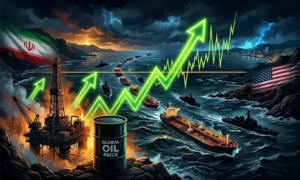
One of the key drivers behind the Fed’s cautious stance is rising inflation linked to global energy markets.
Officials pointed to sustained increases in oil and commodity prices, partly fueled by geopolitical tensions and disruptions in supply chains. These pressures have begun to feed into broader sectors of the economy, including transportation, shipping, and consumer goods.
Some policymakers warned that if energy-driven inflation persists, it could become more entrenched in core inflation measures, making it harder to reverse.
Growing Split Inside the Federal Reserve
The minutes reveal the most visible internal disagreement in recent months.
On one side, several officials argue that inflation risks remain too high to justify any discussion of rate cuts. On the other, a smaller group believes economic growth is slowing enough to eventually allow for easing.
This divide has led to debates over whether the Fed should remove references to an “easing bias” in its policy statements and adopt a more neutral stance.
The disagreement underscores a broader challenge: balancing inflation control without weakening economic growth.
Markets React to Changing Expectations
Financial markets have responded quickly to the shifting tone inside the Federal Reserve.
Bond yields have risen as investors adjust expectations for fewer rate cuts and a higher probability of future rate hikes. Traders are increasingly pricing in the possibility that rates could remain elevated for longer than previously expected.
Some market analysts now believe the Fed may remain on hold through much of 2026 unless inflation shows clear signs of cooling.
Leadership Transition Adds More Uncertainty
The debate is unfolding during a significant leadership transition at the central bank.
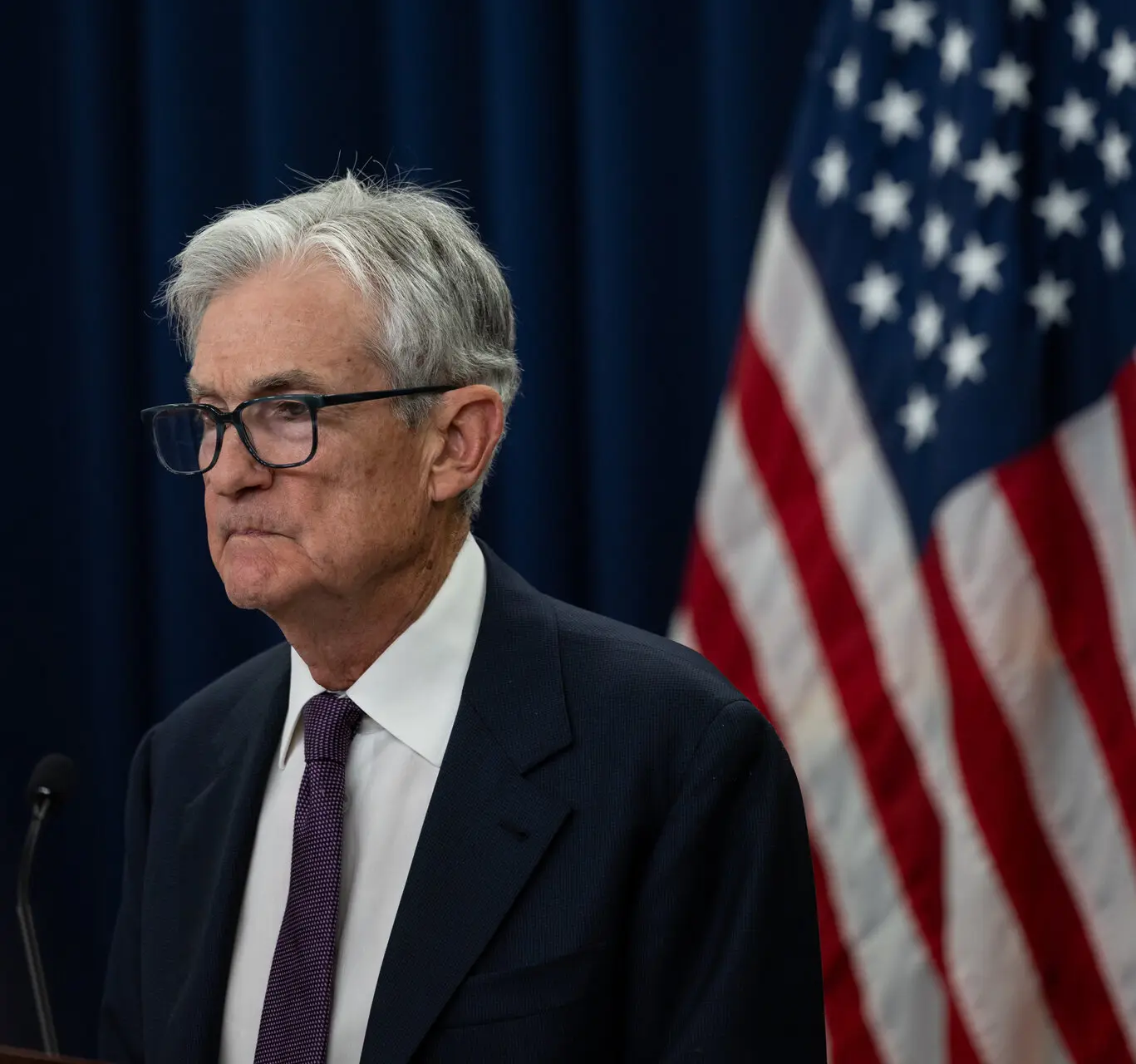
Outgoing Chair Jerome Powell presided over the final stages of the meeting cycle, while incoming Chair Kevin Warsh is expected to inherit a committee increasingly divided on policy direction.
Warsh, known for his more hawkish economic stance, may face pressure to balance political expectations for lower borrowing costs with the Fed’s mandate to control inflation.
This transition adds another layer of uncertainty to an already complex monetary policy environment.
Inflation vs Growth: The Core Dilemma
The Federal Reserve’s challenge remains unchanged but increasingly difficult.
Policymakers must weigh:
- Persistent inflation above the 2% target
- Slowing but stable labor market conditions
- Rising energy costs linked to global instability
- Market pressure for monetary easing

The result is a policy environment where neither tightening nor easing is fully off the table.
What Comes Next for Interest Rates
Economists say the Fed is likely to remain highly data-dependent in the months ahead.
Future decisions will hinge on:
- Inflation readings over the summer
- Energy price stability
- Consumer spending trends
- Labor market resilience
For now, the message from the Fed is caution. While rates remain unchanged, the direction of policy is becoming less predictable.
Conclusion
The latest Federal Reserve minutes highlight a central bank at a crossroads. With inflation still elevated and internal divisions widening, the path forward for interest rates is increasingly uncertain.
What was once a gradual pivot toward easing policy has now become a complex debate over whether the next move could instead be a hike — or a prolonged pause.