Across Europe, the rapid expansion of renewable energy projects is colliding with the rights, traditions, and territories of Indigenous and rural communities. As governments accelerate wind, solar, and hydro developments in the race toward climate neutrality, critics say some of the world’s oldest cultural groups are being left out of the conversation — or pushed aside entirely.
The tension highlights a growing paradox in the global green transition: efforts to solve the climate crisis may be creating new forms of environmental and social inequality.
Green Energy Boom Meets Local Resistance
Europe’s push toward renewable energy has intensified sharply in recent years, driven by climate targets, energy security concerns, and the geopolitical fallout of fossil fuel dependency.
Wind farms are expanding across coastal and rural landscapes, solar installations are spreading across farmland, and hydropower projects are being upgraded or expanded. The European Union has repeatedly framed this transition as essential to achieving carbon neutrality by 2050.
But in regions where these projects are physically located, resistance is growing.
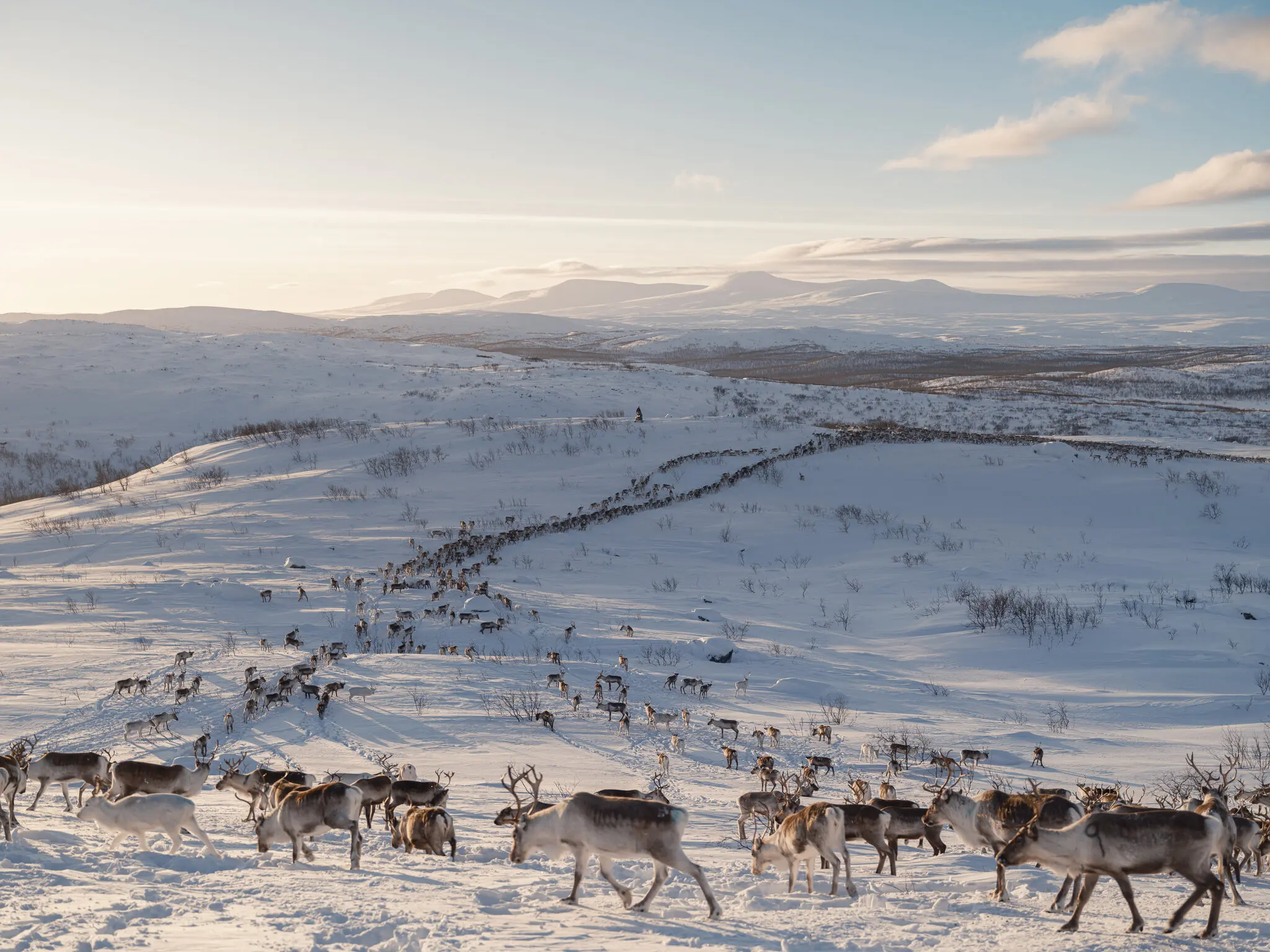
Indigenous groups, particularly in parts of Northern Europe, the Arctic regions, and rural mountain communities, argue that large-scale infrastructure projects are being approved without meaningful consultation or consent.
Indigenous Rights and Environmental Trade-Offs
At the heart of the debate is a conflict between two urgent priorities: climate action and Indigenous sovereignty.
Indigenous communities argue that:
- Renewable projects often occupy ancestral lands
- Consultation processes are rushed or symbolic
- Environmental impact assessments ignore cultural significance
- Economic benefits rarely reach local populations
Activists say that while green energy reduces global emissions, it can still produce local environmental disruption — including habitat fragmentation, noise pollution, and landscape alteration.
European policymakers, however, insist that renewable expansion is necessary to prevent far more severe climate consequences.
Europe’s Accelerated Energy Transition
The European Union has made rapid progress in shifting away from fossil fuels. Wind and solar power recently surpassed fossil fuels in electricity generation across the bloc, marking a major milestone in the clean energy transition.
According to recent energy reports, renewables now account for nearly half of Europe’s electricity production, driven largely by:
- Massive solar expansion in Southern Europe
- Offshore wind projects in the North Sea
- Increased investment in grid infrastructure
- Policy incentives for decarbonization
However, experts warn that the pace of expansion is creating friction between national governments, private energy companies, and local communities.
The Land Use Conflict Emerging Across Europe
One of the most controversial aspects of the green transition is land use.
Unlike fossil fuel infrastructure, renewable energy requires large physical areas:
- Wind turbines require wide rural spacing
- Solar farms demand extensive flat land
- Hydropower projects reshape river systems
This has led to disputes in regions where land is culturally or ecologically sensitive.
Indigenous and rural groups argue that these projects are often framed as “clean” by default, without fully accounting for local environmental costs.
Governments Defend Fast-Track Approvals
European governments argue that faster approval processes are essential to meet urgent climate targets.
Officials say delays in renewable deployment could:
- Increase reliance on imported fossil fuels
- Undermine energy independence
- Slow down emissions reduction goals
- Raise long-term energy prices
Some governments have introduced “fast-track” permitting systems to speed up green infrastructure development, especially after recent energy crises exposed Europe’s dependence on external energy suppliers.
The Debate Over “Just Transition”
The conflict has reignited discussion around what experts call a “just transition” — the idea that climate action must also protect vulnerable communities.
Policy experts argue that successful green transformation must include:
- Early and meaningful Indigenous consultation
- Fair compensation for land use
- Community ownership models for renewable projects
- Stronger cultural and environmental protections
- Transparent decision-making processes
Without these safeguards, critics warn that renewable expansion could repeat the same extractive patterns seen in fossil fuel development.
A Global Challenge Beyond Europe
While the debate is currently most visible in Europe, similar tensions are emerging worldwide.
From North America to Latin America and parts of Asia, Indigenous communities are increasingly challenging renewable and mining projects tied to the clean energy supply chain — including lithium extraction, hydroelectric dams, and wind farm developments.
This suggests a broader global challenge: the transition to clean energy is not only a technological shift but also a social and political transformation.
Conclusion
Europe’s green energy revolution is reshaping landscapes, economies, and geopolitics at unprecedented speed. But as wind turbines rise and solar fields expand, a quieter struggle is unfolding beneath the surface — one over land, identity, and who gets to shape the future of the energy transition.
The challenge ahead is not just building a cleaner energy system, but ensuring that it is also fair, inclusive, and respectful of the communities who live on the land it depends on.