Cuba is facing one of its most severe energy crises in years after a nationwide power blackout exposed the island’s fragile electricity system, declining fuel supplies, and growing economic pressure. The collapse left nearly 10 million people without electricity and intensified concerns over the country’s ability to maintain essential services.
The latest blackout highlights a wider crisis driven by aging infrastructure, limited fuel availability, and international tensions affecting Cuba’s energy imports.
Nationwide Blackout Hits Cuba
Cuba’s national electricity grid experienced a complete failure, causing a nationwide blackout across the island.
The outage affected:
- Millions of households
- Hospitals and essential services
- Transportation systems
- Businesses and public facilities
- Communication networks
Authorities began emergency restoration efforts, prioritizing critical infrastructure such as medical facilities and water systems.
The blackout marked another major disruption for a country that has experienced repeated power failures in recent years.
Aging Power Infrastructure Under Pressure
One of the biggest factors behind Cuba’s electricity problems is the condition of its energy infrastructure.
The country’s power system faces challenges including:
- Aging power plants
- Limited maintenance capacity
- Equipment failures
- Reduced electricity generation
- Dependence on imported fuel
Experts say years of underinvestment have weakened Cuba’s ability to maintain a reliable electricity network.
Fuel Shortages Worsen Energy Crisis
Cuba’s electricity production depends heavily on imported fuel, making supply disruptions especially damaging.
Recent challenges include:
- Declining fuel reserves
- Reduced oil shipments
- Higher costs for energy imports
- Difficulty operating power plants at full capacity
The government has blamed external pressure, including US sanctions and restrictions affecting fuel supplies, while critics also point to long-term economic and infrastructure problems inside Cuba.
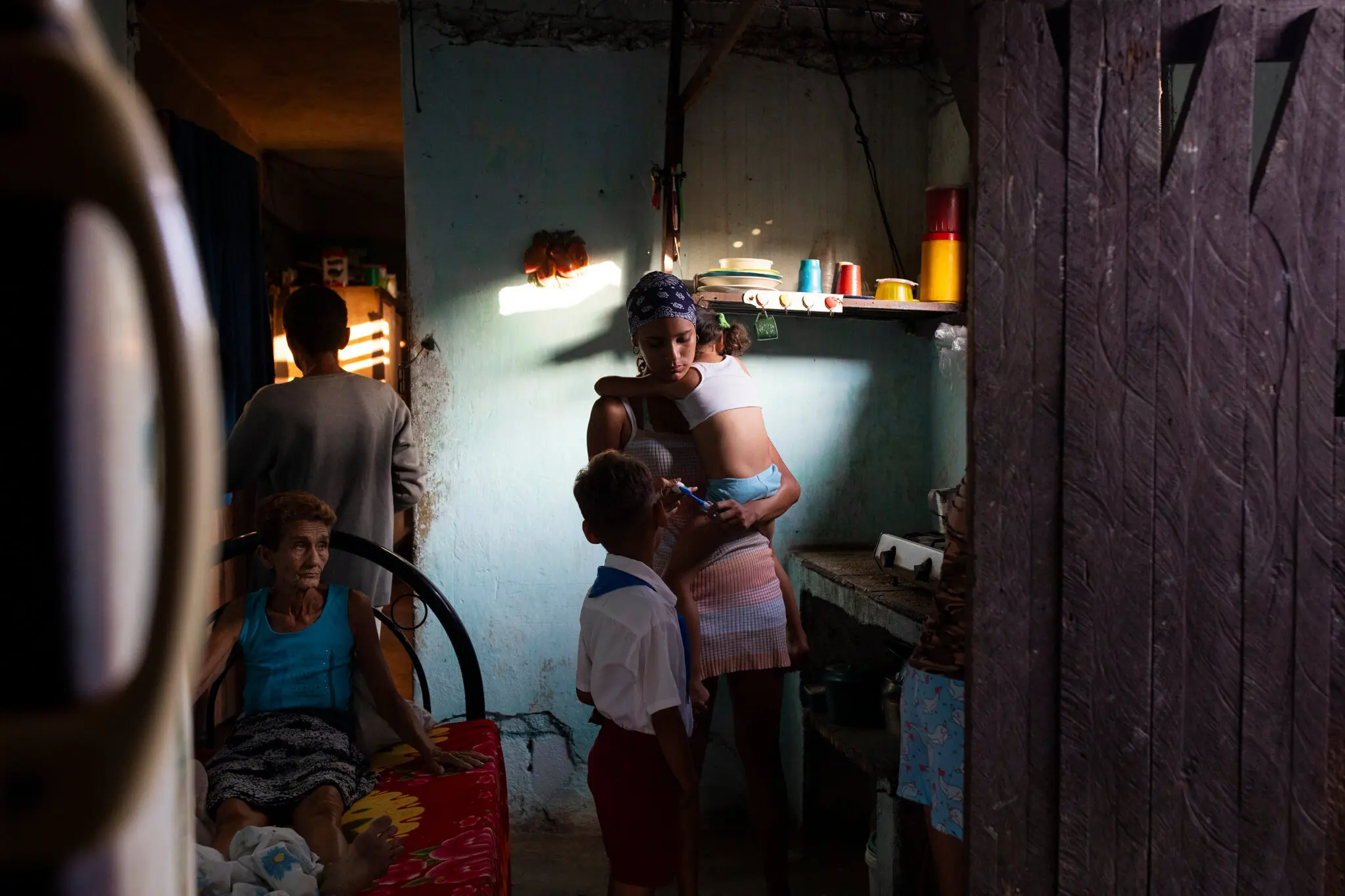
Impact on Daily Life in Cuba
The energy crisis has created serious challenges for ordinary citizens.
Residents are dealing with:
- Long hours without electricity
- Difficulty preserving food
- Disruptions to work and education
- Limited access to cooling during extreme heat
- Problems with transportation and public services
For many Cubans, repeated blackouts have become a major source of frustration and uncertainty.
Government Response and Restoration Efforts
Cuban authorities have launched emergency measures to restore electricity and protect essential services.
Actions include:
- Activating emergency power systems
- Prioritizing hospitals and water facilities
- Repairing damaged grid infrastructure
- Managing limited fuel supplies
Officials have said restoration efforts are ongoing, but fuel shortages continue to make recovery more difficult.
Political Dispute Over the Causes of the Crisis
The blackout has intensified political debate over the reasons behind Cuba’s energy collapse.
The Cuban government argues that:
- External economic pressure has worsened fuel shortages
- Restrictions on energy supplies have increased hardship
- International sanctions have affected the economy
Critics argue that:
- Infrastructure problems have existed for decades
- Government economic policies have contributed to energy instability
- Investment and modernization have been insufficient
The dispute has become part of a broader debate about Cuba’s economic future.
Regional and Global Implications
Cuba’s energy crisis has attracted international attention because of its potential humanitarian and political consequences.
Possible impacts include:
- Increased migration pressure
- Greater demand for international assistance
- More political tensions with the United States
- Increased focus on renewable energy solutions
The crisis also highlights the vulnerability of countries that rely heavily on imported fuel.
Cuba’s Search for Long-Term Energy Solutions
To reduce future risks, Cuba faces pressure to modernize its energy system.
Potential solutions include:
- Expanding renewable energy projects
- Upgrading power plants
- Improving electricity infrastructure
- Increasing energy efficiency
- Diversifying fuel sources
However, financial limitations remain a major obstacle.
Conclusion
Cuba’s nationwide blackout reveals the depth of the country’s ongoing energy crisis. With aging infrastructure, fuel shortages, and economic challenges combining to weaken the power system, millions of residents continue to face serious disruptions. While emergency restoration efforts are underway, long-term solutions will require major investment, infrastructure reform, and a more stable energy supply.