China has privately asked Iran to use its influence over Yemen’s Houthi movement to help limit attacks on Saudi oil infrastructure, according to Reuters, citing three Iranian sources familiar with the discussions. The diplomatic effort followed an appeal from Saudi Arabia as Houthi forces expanded their presence along Yemen’s Red Sea coast and around the strategically important Bab el-Mandeb Strait.
The development comes as the wider Middle East conflict puts increasing pressure on oil supplies and international shipping routes.
Saudi Arabia Turns to China
Saudi Arabia reportedly approached Beijing after Houthi advances increased the risks facing Saudi oil exports and commercial shipping.
The Houthis’ movement along the Red Sea coast has created concerns because the area includes access to the Bab el-Mandeb Strait, a major maritime route connecting the Red Sea with the Gulf of Aden.
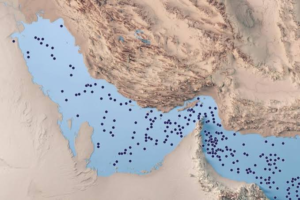
For Saudi Arabia, the Red Sea has become particularly important because disruption around the Strait of Hormuz has affected another major route for Gulf energy exports.
China Asks Iran to Use Its Influence
According to the Iranian sources cited by Reuters, China’s private message to Tehran went further than Beijing’s public calls for restraint and dialogue.
China wants Iran to use its relationship with the Houthis to help prevent the conflict from spreading further into important energy and shipping routes.
The sources did not provide details about exactly how the message was delivered or whether it was discussed during Iranian Foreign Minister Abbas Araghchi’s visit to China.
There was also no indication that China threatened Iran with economic consequences if Tehran did not act.
Why China Is Concerned
China is the world’s second-largest economy and depends heavily on stable international energy and trade routes.
Any prolonged disruption around the Red Sea or the Strait of Hormuz could increase transportation costs, affect energy supplies and create additional pressure on global markets.
Beijing has publicly called for restraint, dialogue and the restoration of safe navigation. The private diplomatic request indicates that protecting regional trade and energy routes is also an important concern for China.
Houthi Expansion Raises Shipping Risks
The diplomatic effort comes after a rapid Houthi military advance along Yemen’s Red Sea coastline.
Reuters reported that the group’s advances around the Bab el-Mandeb area have increased risks to Saudi oil exports and international shipping.
The waterway is strategically important because ships using the Red Sea can reach the Suez Canal and continue toward European markets.
If security deteriorates, shipping companies could face higher insurance costs, delays and pressure to use longer routes.
Oil Markets React
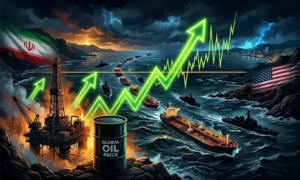
The diplomatic development also affected international oil markets.
On September 18, Brent crude settled at $104.87 per barrel, down 95 cents, while U.S. West Texas Intermediate settled at $100.30, down $1.61. Reuters reported that hopes of limiting further supply disruptions contributed to the decline.
However, oil prices remained above $100 per barrel, reflecting continuing uncertainty over Middle Eastern supply routes.
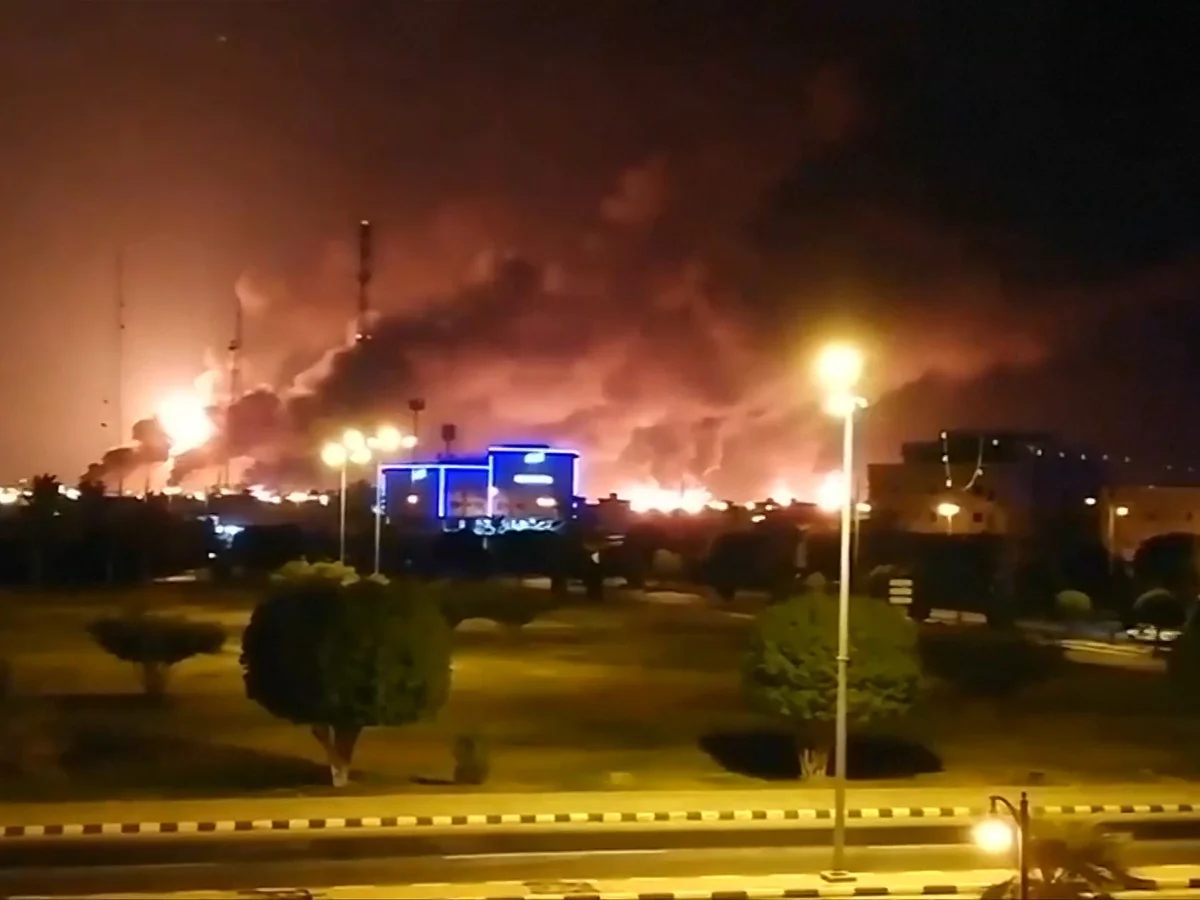
Reuters also reported that Saudi Arabia’s East-West oil pipeline had been damaged in an earlier attack, creating additional pressure on the kingdom’s ability to move crude toward the Red Sea.
Iran’s Response
According to the Iranian sources cited by Reuters, Tehran’s response was that regional stability depends on ending the wider U.S.-Israeli war with Iran.
The sources said China did not issue explicit threats or indicate that it would impose economic pressure on Iran if Tehran failed to influence the Houthis.
This leaves uncertainty over how much influence Iran can exert over Houthi military decisions and whether the diplomatic request will produce a reduction in attacks.
A Wider Regional Crisis
The situation involving China, Iran, Saudi Arabia and the Houthis is part of a much larger regional crisis.
The Strait of Hormuz has already experienced severe disruption, while the Houthi advance has increased concerns around the Red Sea and Bab el-Mandeb.
Together, these developments have created pressure on multiple routes used to transport oil and other goods.
The situation is therefore being closely monitored not only by governments in the Middle East but also by energy companies, shipping operators and financial markets.
What Happens Next?
Several developments could determine the direction of the crisis:
- Whether Iran responds to China’s request
- Whether Houthi attacks on Saudi infrastructure continue
- Whether Saudi Arabia can restore damaged oil infrastructure
- Whether shipping through Bab el-Mandeb remains secure
- Whether China becomes more directly involved diplomatically
- Whether oil supplies through alternative routes increase
Any reduction in attacks could ease pressure on energy markets, while further escalation could create additional risks for oil exports and global shipping.
Conclusion
China’s request to Iran to help limit Houthi attacks on Saudi oil facilities highlights the growing international concern over the conflict’s impact on energy supplies and maritime trade.
Saudi Arabia’s appeal to Beijing came after Houthi forces expanded along Yemen’s Red Sea coast and increased pressure around the Bab el-Mandeb Strait. Reuters reports that China privately asked Iran to use its influence with the Houthis to prevent the conflict from spreading further across critical energy routes.
Oil prices subsequently declined on September 18 as markets responded to hopes that supply disruptions could be contained, although Brent and WTI remained above $100 per barrel.
The next steps by Iran, the Houthis and Saudi Arabia will be closely watched as governments attempt to prevent further disruption to one of the world’s most important energy regions.