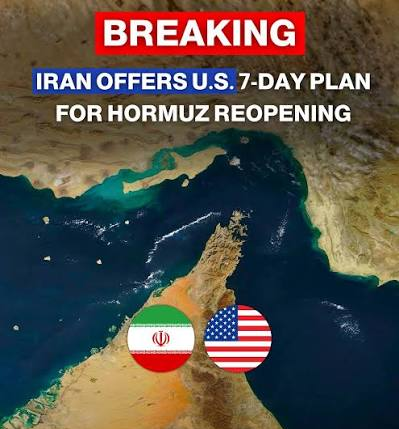
Iran has proposed a seven-day roadmap aimed at reducing hostilities with the United States and reopening the Strait of Hormuz, according to Iranian Foreign Minister Abbas Araghchi. The proposal was presented through mediators during the United Nations General Assembly in New York and links the reopening of the strategically important waterway to a series of U.S. actions.
The proposal comes after months of conflict and diplomatic efforts between Washington and Tehran. The Strait of Hormuz has become a central issue because disruptions there have affected global oil and shipping markets.
What Is Iran’s Seven-Day Plan?
Araghchi said Iran had presented Washington with a concrete plan through intermediaries. Under the proposal, if the required conditions are met, the Strait of Hormuz could return to normal maritime traffic within seven days, after which broader negotiations would resume.
Iran says the plan is based partly on a memorandum of understanding reached between the two countries in June, but the new proposal uses a much shorter timetable.
The main elements reportedly include:
- A halt to hostilities across the region
- Removal of the U.S. naval blockade on Iranian ports
- Waivers for Iranian oil exports
- Release of frozen Iranian assets
- Reopening of the Strait of Hormuz
- Resumption of negotiations over a longer-term settlement
The proposal also includes a ceasefire covering fighting in Lebanon, according to reporting from the Associated Press.
Strait of Hormuz Is at the Center
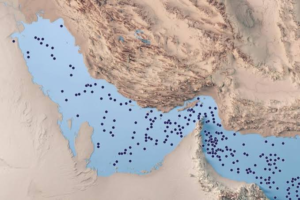
The Strait of Hormuz connects the Persian Gulf with the Gulf of Oman and is one of the world’s most important energy shipping routes.
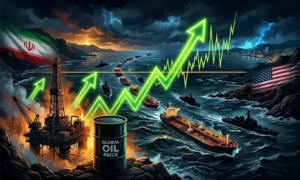
Its disruption has contributed to higher energy prices and concerns about the security of international oil supplies. Iran’s offer to reopen the waterway within seven days therefore has implications far beyond the United States and Iran.
Iranian officials have made clear that reopening the strait would depend on Washington meeting Tehran’s conditions. A senior Iranian official told Reuters that the waterway would remain closed until all of Iran’s conditions were fulfilled.
Iran Wants Sanctions Relief
A major part of Tehran’s proposal involves economic restrictions.
Iran is seeking the lifting or waiver of U.S. restrictions affecting its oil exports and access to frozen funds. These measures are important because restrictions on Iranian energy exports have placed additional pressure on the country’s economy.
The proposal therefore connects the security situation in the Strait of Hormuz with Iran’s broader economic demands.
Nuclear Talks Would Restart
Iran has also offered to restart negotiations with Washington over its nuclear program after the initial steps in the seven-day plan are completed.
This sequencing is important because Tehran wants the immediate focus to be on ending hostilities and reopening the waterway before moving into more complicated nuclear negotiations.
Iranian officials have separately said they are not prepared to make new nuclear concessions as part of the Hormuz proposal. Reuters reported that a senior Iranian official said Tehran would maintain its position on its nuclear program even if Washington accepted the plan.
Qatar Helps Mediate
Qatar has played an important role in passing messages between Washington and Tehran.
The latest proposal was communicated through intermediaries as U.S. and Iranian officials held discussions around the United Nations General Assembly in New York. Earlier talks involving U.S. envoy Steve Witkoff, Jared Kushner and Iranian officials were also facilitated through regional mediators.
The mediation provides both governments with a channel for negotiations without requiring an immediate direct presidential meeting.
U.S. Response Remains Uncertain
Washington has been cautious about accepting Iran’s proposal.
A U.S. official said discussions with Iran were positive and constructive but indicated that Washington was not in a hurry to reach an agreement. The official also pointed to U.S. military escorts that had allowed oil tankers to pass through the Strait.
The U.S. position has focused more heavily on Iran’s nuclear program and broader security issues, while Tehran has emphasized the lifting of the blockade and reopening of the waterway.
Why the Proposal Matters for Oil Markets
The Strait of Hormuz is crucial for international energy markets.
Any prolonged disruption can affect:
- Crude oil prices
- Fuel prices
- Tanker shipping
- Insurance costs
- Global energy supplies
- Inflation
- International trade
The possibility of reopening the waterway has already attracted attention from energy markets. Reports on September 25 indicated that oil prices declined as traders considered the possibility of renewed diplomacy.
The June Agreement
Iran’s new seven-day roadmap is reportedly modeled on a June memorandum of understanding that previously created a temporary framework for reducing hostilities.
The earlier arrangement included provisions for maritime traffic and a period for negotiations. However, that agreement later broke down as tensions returned.
The new proposal attempts to compress the process into seven days, with the reopening of the Strait of Hormuz serving as an early milestone.
Major Obstacles Remain
Despite the proposal, substantial disagreements remain between Washington and Tehran.
The biggest questions include:
- Whether the U.S. will lift its blockade
- Whether sanctions on Iranian oil will be waived
- How frozen Iranian assets would be handled
- How the ceasefire would apply across the region
- What happens to Iran’s nuclear program
- Who would oversee maritime traffic through Hormuz
- Whether both sides can maintain a new ceasefire
The two governments also have different views about the order in which these issues should be addressed.
Conclusion
Iran’s seven-day roadmap represents a new diplomatic proposal aimed at reopening the Strait of Hormuz and creating a pathway toward negotiations with the United States. Under the plan, Tehran says the waterway could reopen within seven days if Washington meets conditions involving the blockade, sanctions, frozen assets and regional hostilities.
The proposal also calls for negotiations on Iran’s nuclear program to resume after the initial steps are completed. However, Tehran has indicated that it is not offering new nuclear concessions as part of the proposal.
The U.S. response remains a key question. With the Strait of Hormuz affecting global energy markets, any agreement between Washington and Tehran could have consequences for oil prices, shipping and economies around the world.